
The Best Fluffy Pancakes recipe you will fall in love with. Full of tips and tricks to help you make the best pancakes.


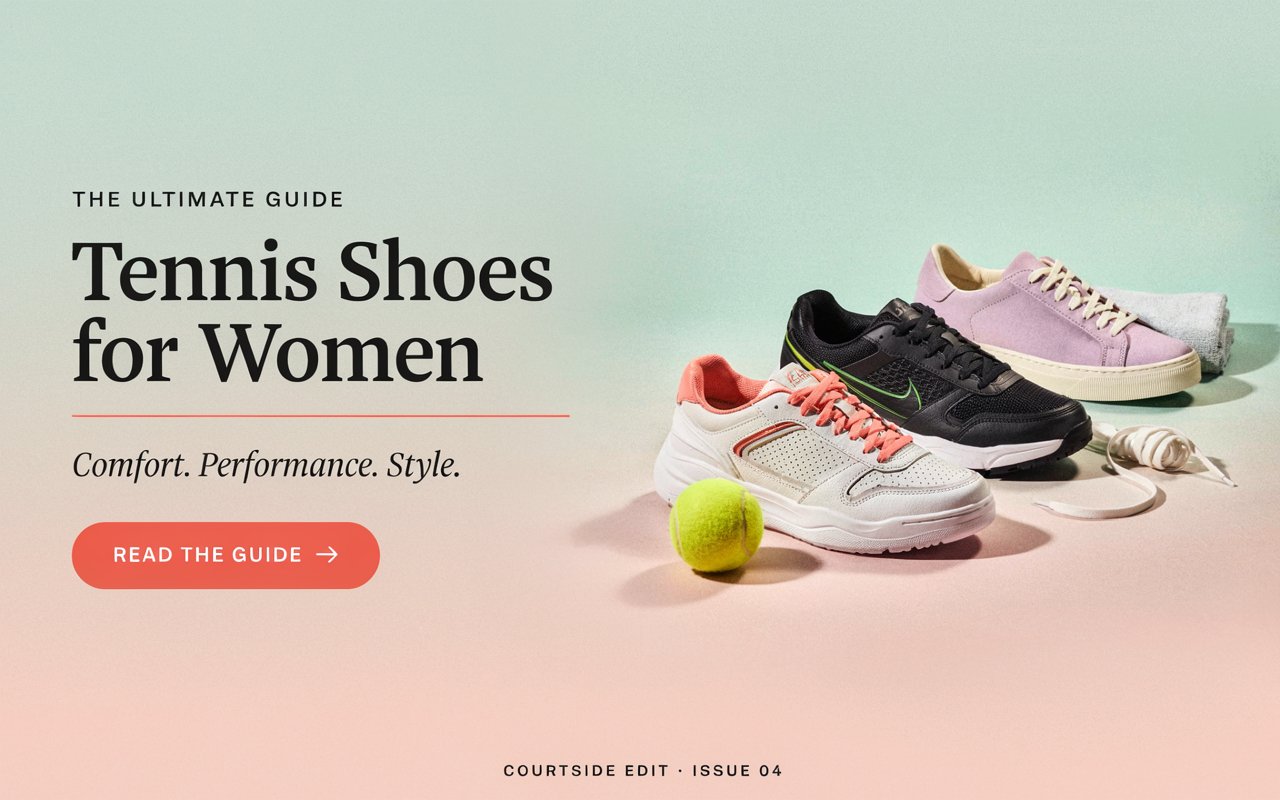
Picking the right pair of tennis shoes matters more than most players realize until they end up with sore feet or a rolled ankle mid-match. Unlike regular sneakers, tennis shoes are built for quick lateral movements, sudden stops, and hours on a hard or clay surface, which means the wrong pair can slow you down or even lead to injury.
This guide breaks down what actually makes a good tennis shoe, how to choose one based on your court surface and foot type, and what to look for so you are not stuck guessing at the store. Pairing the right shoes with the rest of your tennis outfit rounds out everything you need before stepping on court.
Quick answer: The best tennis shoes for women offer strong lateral support, a durable outsole matched to your court surface, and enough cushioning to handle repeated stops and starts. Brands like Asics, Nike, and New Balance consistently rank among the top choices for comfort and durability.
Why Tennis Shoes Are Different From Regular Sneakers
Running shoes and everyday sneakers are designed mainly for forward motion. Tennis involves constant side-to-side movement, quick pivots, and sudden stops, which puts different stress on your feet and ankles. Getting the fit right matters just as much as the shoe itself, since even the best-designed tennis shoe will fall short if it’s the wrong size for your foot.
A proper tennis shoe has reinforced sides for lateral support, a flatter and more durable sole to handle sliding and pivoting, and often extra padding around the toe area since players tend to drag their foot when hitting certain shots. Wearing running shoes on a tennis court might feel fine for the first few minutes, but it increases the risk of ankle rolls and faster wear on the shoe itself.
How to Choose the Right Tennis Shoe for Your Court Surface
Not every tennis shoe works well on every surface, and this is one of the most overlooked factors when shopping.
Hard Court Shoes
Hard courts are the toughest on both your shoes and your joints. Look for shoes with extra cushioning and a durable rubber outsole, since hard court surfaces wear down soles faster than any other surface.
Clay Court Shoes
Clay courts require a herringbone tread pattern that allows for controlled sliding without losing traction. Shoes designed for hard courts often grip too much on clay, which can actually increase injury risk.
Grass Court Shoes
Grass courts need shoes with small nubs or a flatter tread for grip without damaging the court. These are less common but worth seeking out if you play on grass regularly.
All-Court Shoes
If you play on multiple surfaces or are not sure which surface you will use most, an all-court shoe offers a balanced tread pattern that performs reasonably well everywhere, even if it is not the best option for any single surface.
Key Features to Look for in Women’s Tennis Shoes
Beyond the surface-specific sole, a few features consistently separate a good tennis shoe from an average one.
- Lateral support: Look for reinforced side panels that keep your foot stable during quick direction changes
- Cushioning: Enough padding in the midsole to absorb impact from repeated stops without feeling bulky
- Breathability: Mesh or perforated uppers help keep feet cool during long matches
- Durability: A reinforced toe area prevents premature wear from toe dragging, a common habit among players
- Fit specific to women’s feet: Women’s tennis shoes are typically built on a narrower heel and different arch profile compared to unisex or men’s models, so trying women’s-specific models usually gives a better fit
Best Tennis Shoes for Different Needs
Rather than recommending one single shoe, it helps to think in terms of categories.
Best for Beginners
Look for an all-court shoe with solid cushioning and a relatively affordable price point, since your playing style and surface preference may still be developing.
Best for Wide Feet
Several brands, including New Balance and Asics, offer wide-width options specifically for tennis shoes, which helps avoid discomfort during longer matches.
Best for Frequent Players
If you play several times a week, prioritize durability and support over price. A shoe with a reinforced outsole and strong lateral support will hold up better over time and reduce injury risk.
Best Budget Options
Entry-level tennis shoes from established brands often perform nearly as well as premium models for casual or recreational players, so it is worth comparing mid-range options before jumping to the most expensive pair.
How Often Should You Replace Tennis Shoes
Most players replace their tennis shoes every 45 to 60 hours of play, though this varies based on surface and playing style. Soles tend to wear out quicker on hard courts compared to clay or grass. A good way to check is looking at the outsole tread. If it looks smooth or uneven compared to when it was new, it is likely time for a replacement, even if the shoe still looks fine on the upper.
Common Mistakes When Buying Tennis Shoes
- Choosing based on looks alone: A shoe might look great, but without proper lateral support, you’re risking an ankle injury every time you play.
- Ignoring court surface: Using a hard court shoe on clay, or vice versa, affects both performance and shoe lifespan
- Sizing up too much: Tennis shoes should fit snugly to support quick lateral movement, unlike running shoes which sometimes benefit from extra room. Measuring your foot properly at home before ordering online helps avoid this mistake entirely.
- Skipping the break-in period: Wearing brand new tennis shoes for a full match without breaking them in first can cause blisters or discomfort
Frequently Asked Questions
What is the difference between tennis shoes and running shoes?
Tennis shoes are built for lateral movement and quick stops, with reinforced sides and flatter, more durable soles. Running shoes are designed mainly for forward motion and typically lack the lateral support needed for tennis.
How do I know what size tennis shoe to buy?
Tennis shoes should fit snugly with about a thumb’s width of space at the toe. Since sizing varies between brands, checking a size chart or trying shoes on in person is the most reliable approach.
Can I wear the same tennis shoes on any court surface?
All-court shoes can work reasonably well across surfaces, but a shoe designed specifically for hard court, clay, or grass will generally perform and last better on that particular surface.
How long do tennis shoes typically last?
Most tennis shoes last between 45 and 60 hours of play, though this depends on your court surface, playing style, and how often you play.
Are women’s tennis shoes different from men’s tennis shoes?
Yes. Women’s tennis shoes are typically built with a narrower heel and different arch support to match the average differences in foot shape, which usually results in a more comfortable and secure fit.
Final Thoughts
Finding the right pair of tennis shoes comes down to matching the shoe to your court surface, foot shape, and how often you play. Paying attention to lateral support and durability, rather than just style, makes a noticeable difference in both comfort and performance on the court.