
The Best Fluffy Pancakes recipe you will fall in love with. Full of tips and tricks to help you make the best pancakes.


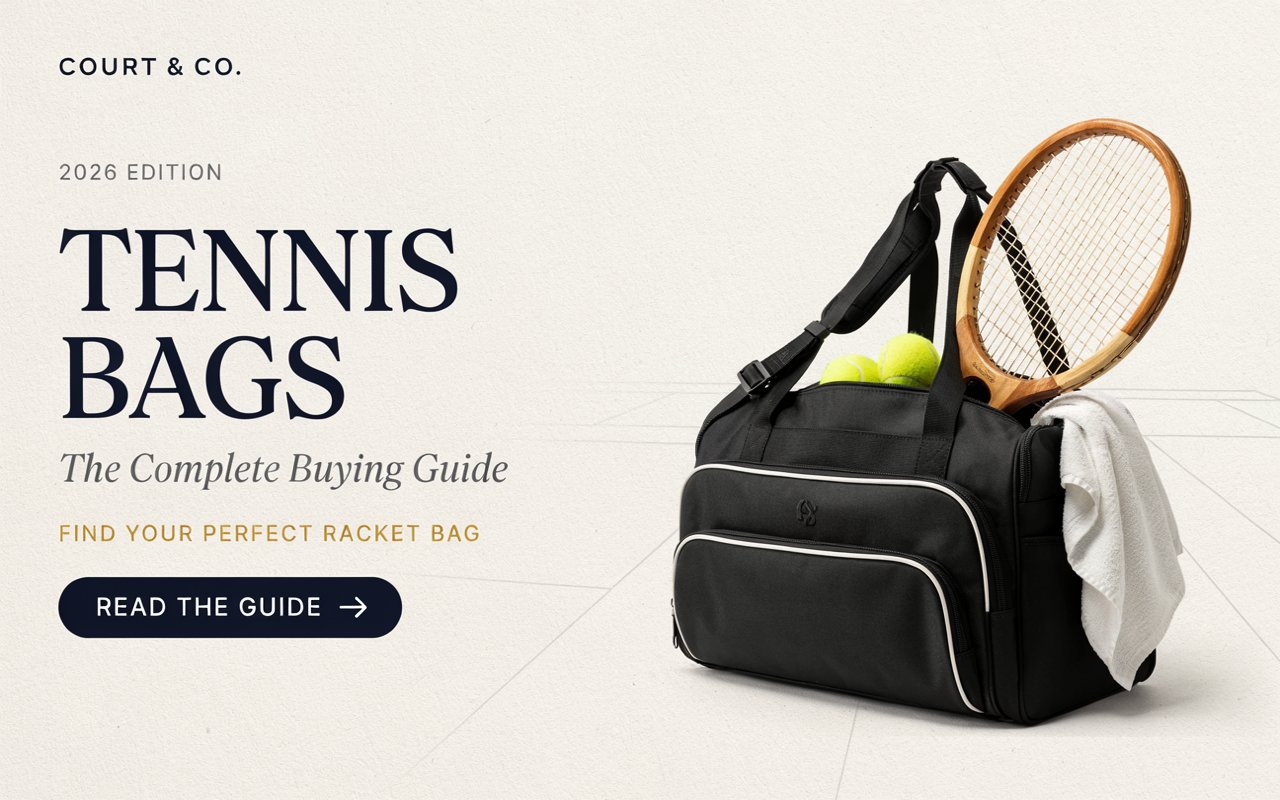
A good tennis bag does more than just carry your racket. Between rackets, shoes, extra clothing, water bottles, and accessories, a poorly organized bag can turn a simple trip to the court into a frustrating search for missing gear. The right bag keeps everything in its place and actually holds up to the wear and tear of regular play.
This guide covers the different types of tennis bags available, what features actually matter, and how to choose the right size and style based on how often you play.
Quick answer: The best tennis bag depends on how many rackets you carry and how often you play. Casual players typically do well with a sling or backpack style holding one to two rackets, while frequent or competitive players benefit from a duffel-style bag with multiple racket compartments and separate storage for shoes and accessories.
Why the Right Tennis Bag Matters
It is easy to underestimate how much a well-designed bag improves the overall experience of playing regularly. A bag with proper racket compartments protects your equipment from unnecessary knocking around, while dedicated pockets for shoes keep sweat and dirt away from your clothing and other gear.
Beyond organization, a well-built tennis bag also tends to last significantly longer than a generic sports bag, since it is designed specifically to handle the shape and weight of tennis equipment.
Types of Tennis Bags to Consider
Sling Bags
Sling bags are compact, single-strap bags designed to carry one racket along with minimal extra gear. These work well for casual players who mainly need to carry a racket, balls, and a water bottle without much else.
Backpack Style Tennis Bags
Tennis backpacks distribute weight more evenly across both shoulders, making them a comfortable option for players who walk or bike to the court, or who want to carry a bit more gear than a sling bag allows. Most backpack styles include a dedicated racket compartment along with room for shoes and clothing.
Duffel Style Tennis Bags
Duffel bags offer the most storage space and are typically favored by players who carry multiple rackets, along with a full change of clothes, shoes, and accessories. These bags often include several separate compartments to keep items organized and protected.
Tour Bags
Tour bags, sometimes called 9 or 12 racket bags, are built for players who carry multiple rackets regularly, often for lessons, coaching, or competitive play. These larger bags typically include thermal-insulated racket compartments to protect strings from extreme temperatures.
Key Features to Look for in a Tennis Bag
Beyond overall size and style, a few specific features consistently separate a good tennis bag from one that falls short.
- Racket compartments: Dedicated, padded slots keep rackets separated and protected from scratching against other gear
- Thermal insulation: Higher-end bags include insulated racket sleeves that help protect string tension from extreme heat or cold, which matters more for players who leave their bag in a car
- Separate shoe compartment: A ventilated pocket specifically for shoes keeps sweat and dirt contained away from clothing
- Durable base material: Since tennis bags are frequently set down on hard court surfaces, a reinforced or water-resistant base helps prevent premature wear
- Comfortable straps: Padded, adjustable straps make a noticeable difference for anyone carrying a fully loaded bag over longer distances
How to Choose the Right Tennis Bag for Your Needs
For Casual or Recreational Players
A sling bag or a smaller backpack with a single racket compartment usually covers everything needed for weekly recreational play, without unnecessary bulk or extra cost.
For Frequent Players
A backpack or small duffel with room for two rackets, a shoe compartment, and space for a change of clothes offers a good balance of organization and portability for those playing several times a week.
For Competitive or Coaching Use
A larger duffel or tour bag with multiple thermal-insulated racket compartments makes sense for players who need to carry several rackets, along with extra gear for lessons, matches, or tournaments.
For Travel
A bag with a separate compartment for shoes and toiletries, along with sturdy, protective racket sleeves, helps keep gear organized and protected when flying or checking a bag for a tennis trip.
Choosing the right bag pairs naturally with the rest of your gear. If you are also updating your on-court wardrobe, our guide to tennis clothing for women covers what to look for beyond just the bag itself.
How to Care for Your Tennis Bag
- Empty the bag regularly, since damp clothing or shoes left inside can lead to odor or mildew over time
- Wipe down the interior periodically, especially shoe compartments, to prevent dirt buildup
- Avoid overloading racket compartments, since forcing too many rackets into a space designed for fewer can stretch out the padding and reduce protection
- Store in a cool, dry place when not in use, particularly if the bag has thermal-insulated compartments, since extreme storage conditions can affect the lining over time
Common Mistakes to Avoid When Buying a Tennis Bag
- Choosing based on looks alone: A stylish bag without proper racket protection or organization can lead to damaged strings or a frustrating search for gear before every match
- Buying too small: Underestimating how much gear you actually carry, including a change of clothes or extra rackets, often leads to buying a second bag shortly after the first
- Ignoring strap comfort: A bag that looks great on the shelf can feel uncomfortable after carrying it fully loaded for even a short distance, so trying it on with some weight inside helps avoid this issue later
- Skipping the shoe compartment: Without a dedicated ventilated section, shoes can transfer dirt and odor to the rest of the bag’s contents
Frequently Asked Questions
How many rackets should my tennis bag hold?
Casual players typically only need room for one or two rackets, while frequent or competitive players often benefit from a bag holding three or more, especially if multiple rackets are used for different string tensions or conditions.
Do I need a thermally insulated tennis bag?
Thermal insulation is most useful if you frequently leave your bag in a hot car or in extreme outdoor conditions, since heat can affect string tension over time. Casual players who transport their bag directly to and from the court may not need this feature.
What is the difference between a tennis backpack and a duffel bag?
A backpack distributes weight across both shoulders and tends to be more comfortable for walking or biking to the court, while a duffel bag typically offers more storage space but is carried with one strap or a top handle.
How often should I replace my tennis bag?
A well-made tennis bag can last several years with proper care. Signs it may be time for a replacement include torn straps, broken zippers, or racket compartments that no longer provide adequate padding.
Can I use a regular gym bag for tennis instead of a specific tennis bag?
While possible for very casual play, a dedicated tennis bag offers better racket protection and organization specifically designed for the shape and needs of tennis equipment, which a general gym bag typically lacks.
Final Thoughts
Choosing the right tennis bag comes down to matching the size and features to how often you play and how much gear you actually need to carry. Whether that means a simple sling bag for casual weekend matches or a larger duffel for frequent, competitive play, prioritizing proper racket protection and organization will make every trip to the court easier.
Looking to complete the rest of your tennis setup? Check out our guide to tennis shoes for women to make sure your footwear is just as well matched to your game as your bag.