The Best Fluffy Pancakes recipe you will fall in love with. Full of tips and tricks to help you make the best pancakes.


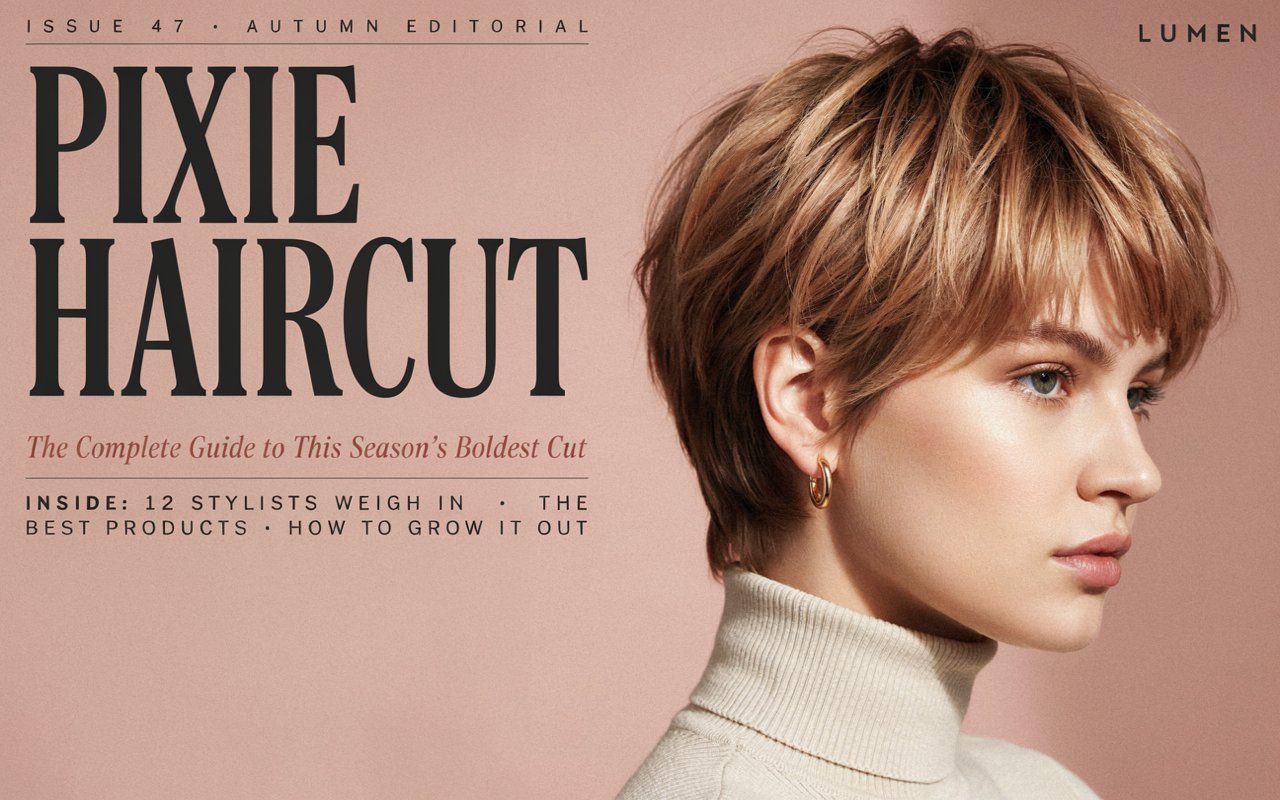
A pixie haircut has a way of making a statement without requiring much effort to maintain. It is one of the few hairstyles that manages to look effortless and intentional at the same time, working equally well for a polished office look or a casual weekend. If you’re weighing it against another low-maintenance option, our guide to the curly bob haircut covers a slightly longer alternative worth comparing before you commit.
This guide covers the different pixie cut variations worth considering, how to choose the right style for your face shape and hair type, and how to keep it looking sharp between salon visits.
Quick answer: The pixie haircut remains one of the most versatile short styles for 2026, with textured, longer-on-top variations being especially popular. It works well for most face shapes when the length and layering are customized, and it generally requires trims every four to six weeks to maintain its shape.
Why the Pixie Haircut Keeps Coming Back
Short hairstyles tend to move in and out of trend cycles, but the pixie cut has stayed relevant for decades. Part of the appeal is how quickly it changes someone’s overall look, offering a dramatic transformation without the years of growing out that a longer cut change would require.
It also tends to work well with minimal daily styling, which has made it a popular choice for anyone who wants a low-maintenance routine without giving up a polished appearance. Modern versions have moved past the very short, uniform styles of earlier decades, now including more texture, longer pieces on top, and softer edges overall.
Types of Pixie Haircuts to Consider
Not every pixie cut looks the same, and the variations offer something for a wide range of preferences.
Classic Pixie
The classic pixie keeps hair short and close to the head all around, with slightly longer layers on top for texture. This version tends to suit those who want the most low-maintenance option available.
Textured Pixie
A textured pixie uses choppy, uneven layers to create movement and volume, making it a popular choice for fine hair that needs extra dimension.
Long Pixie
The long pixie keeps more length on top and around the crown while the sides and back stay shorter, offering more styling versatility than a classic pixie while still reading as a short cut overall.
Pixie Bob
A pixie bob blends the shortness of a pixie with the slightly longer length of a bob, typically falling just above or at the jawline. This version tends to work well for those transitioning from longer hair who are not ready to commit to a fully cropped style.
Curly Pixie
Designed specifically for curly or coily hair textures, a curly pixie is cut to work with the hair’s natural pattern rather than against it, similar to how a curly bob is customized for texture rather than forced into a straight-hair silhouette.
Asymmetrical Pixie
An asymmetrical pixie features uneven lengths, often with one side cut shorter than the other, for a more edgy, modern look.
How to Choose a Pixie Haircut for Your Face Shape
Getting the shape right comes down to how length and layering work with your specific features, more than any single universal rule.
- Round face: A longer pixie with height at the crown helps elongate the face, while too much fullness on the sides can emphasize roundness
- Oval face: Most pixie variations work well on an oval face shape, offering the most flexibility to experiment with different lengths and textures
- Square face: Soft, textured layers around the face help soften strong jawlines, while very blunt or geometric cuts can emphasize angles
- Heart face: A pixie with more volume at the chin area and less at the crown helps balance a narrower jawline
- Long face: A pixie with fuller sides and less height on top helps create width and balance proportions
How to Choose a Pixie for Your Hair Type
Hair texture affects how a pixie cut is styled just as much as face shape affects how it is cut.
- Fine hair: A textured pixie with choppy layers creates the appearance of more volume and density
- Thick hair: A classic or long pixie with proper layering prevents the style from looking too bulky or heavy
- Wavy hair: A slightly longer pixie allows natural wave patterns to show through without losing shape
- Curly hair: A curly pixie cut specifically for curl pattern, rather than a straight-hair pixie template, tends to hold its shape and definition better
Styling Tips for a Pixie Haircut
Keeping a pixie looking sharp comes down to a few consistent habits.
- Use a lightweight styling product: A small amount of pomade or texturizing paste adds definition without weighing down short hair
- Blow dry with direction: Using a round brush while blow drying helps train shorter hair to sit in the desired direction, particularly around the crown
- Add texture with fingers, not just a comb: Working product through with fingertips tends to create a more natural, piece-y finish than combing it flat
- Keep up with trims: Because a pixie is cut close to the head, it grows out of shape faster than longer styles, generally needing a trim every four to six weeks
- Use dry shampoo between washes: A light dusting at the roots helps maintain volume and texture on days when a full wash isn’t needed, without the buildup that comes from over-washing
Common Mistakes to Avoid With a Pixie Haircut
- Skipping the consultation: A pixie is a precise cut, and going in without discussing face shape and hair texture with your stylist can lead to a result that does not suit you as well as it could
- Over-washing: Washing too frequently can strip the natural oils that help short hair hold its shape and texture between styling sessions
- Using too much product: Because there is less hair overall, it is easy to apply more product than the style actually needs, which can leave hair looking greasy or flat rather than textured
- Letting it grow out too long between trims: A pixie relies on precise shaping, so waiting too long between appointments can cause the style to lose its intended silhouette
Frequently Asked Questions
Does a pixie haircut suit every face shape?
Most face shapes can wear some variation of a pixie cut, though the specific length, layering, and volume placement should be customized to the individual’s features for the most flattering result.
How often do I need to trim a pixie haircut?
Most pixie cuts need a trim every four to six weeks to maintain their shape, since short hair grows out of a precise cut more noticeably than longer styles.
Can curly hair be cut into a pixie?
es, a curly pixie is cut specifically to work with the natural curl pattern, which typically holds its shape differently than a pixie cut designed for straight hair.
Is a pixie haircut low maintenance?
In terms of daily styling time, yes, though it does require more frequent salon visits to maintain its precise shape compared to longer hairstyles.
What products work best for styling a pixie cut?
Lightweight pomades, texturizing pastes, and light-hold styling creams tend to work best, since heavier products can weigh down shorter hair and reduce the texture that makes the style look intentional.
Will a pixie haircut work with bangs?
Yes, many pixie variations pair well with bangs, whether swept to the side or cut straight across, though the right bang style depends on forehead shape and how much length you want to maintain around the face.
Final Thoughts
A pixie haircut remains one of the boldest, most transformative choices someone can make with their hair, and the range of variations available today means there is a version suited to nearly every face shape and hair texture. Getting the cut and styling right comes down to working closely with a stylist who understands your natural texture and keeping up with regular trims to maintain the shape.
If you are ready for a change, book a consultation with a stylist who can walk you through which variation would work best for your features before committing to the cut.