
The Best Fluffy Pancakes recipe you will fall in love with. Full of tips and tricks to help you make the best pancakes.


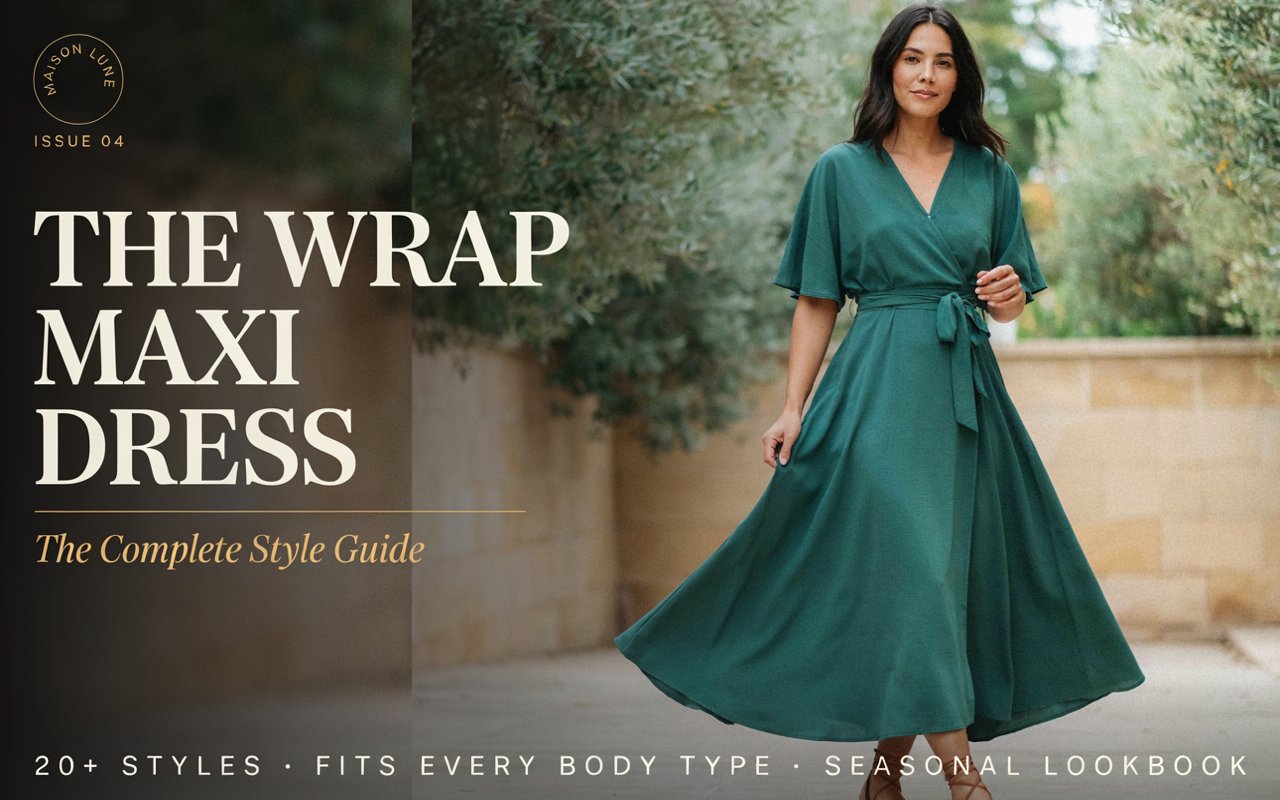
A wrap maxi dress manages to combine two of the most flattering elements in womenswear: the adjustable, waist-defining fit of a wrap style and the flowing, floor-length silhouette of a maxi. The result is a dress that works across a wider range of body types and occasions than almost any other single style, which explains why it keeps reappearing season after season. If you’re building out a broader dress rotation, our guide to summer dress trends covers other lightweight styles worth pairing with this one.
This guide covers what makes a wrap maxi dress worth owning, how to tie and style it correctly, and how to choose the right fit and fabric for your body and the occasion.
Quick answer: A wrap maxi dress ties at the waist to create an adjustable, cinched fit, paired with a floor-length hem. It suits most body types since the wrap design allows the fit to be customized, and it works equally well for casual daytime wear and more polished evening occasions depending on the fabric and how it’s styled.
Why a Wrap Maxi Dress Is So Universally Flattering
The wrap design is one of the few dress silhouettes built around genuine adjustability rather than a single fixed fit. Because the dress ties rather than zips, the waist definition can be loosened or tightened depending on the day, which makes it more forgiving than a fitted dress with no give.
Combined with the maxi length, the overall effect elongates the body while the wrap detail creates a defined waistline, a combination that tends to work well regardless of height or body shape. This versatility is part of why the style has remained a wardrobe staple for decades rather than fading as a passing trend.
What to Look for in a Wrap Maxi Dress
Not every wrap maxi dress is constructed the same way, and a few details affect both comfort and how well the dress holds its shape throughout the day.
Tie Placement and Length
Some wrap dresses tie at the side, while others wrap fully around the back before tying at the front or side. Longer ties generally allow for more adjustability and a more secure fit throughout the day.
Fabric Weight
Lightweight fabrics like rayon or a soft jersey knit drape well and suit warmer weather, while a slightly heavier fabric holds its shape better and works well for cooler months or more structured occasions.
Interior Snap or Tie
Many wrap maxi dresses include a smaller interior tie or snap beneath the outer wrap, which helps keep the dress secure and prevents it from gaping open while walking or sitting.
Skirt Fullness
A fuller, more gathered skirt adds movement and drama, while a straighter, less voluminous skirt creates a sleeker, more minimal silhouette.
Slit Placement
A side slit, whether subtle or more pronounced, affects how much the dress restricts movement while walking. A higher slit offers more ease of movement but shows more leg, which is worth considering depending on the occasion.
How to Tie a Wrap Maxi Dress
Getting the tie right makes a noticeable difference in both fit and how secure the dress feels throughout the day.
- Put the dress on with your arms through the sleeves, letting it drape evenly across the shoulders before adjusting anything else
- Locate the inner tie first, usually accessed through a small opening at the side seam, and secure it around your waist to anchor the wrap
- Bring the outer panel across your body, pulling it snug but not overly tight, and thread the tie through the opposite side opening if the dress includes one
- Wrap the outer tie around your waist and tie it into a secure knot or bow at your side or back, adjusting until the front sits smooth and symmetrical
Wrapping the ties around your waist more than once before knotting, rather than tying immediately, tends to create a cleaner finish with fewer trailing ends.
How to Style a Wrap Maxi Dress for Different Occasions
Casual Daytime Wear
Pair a lightweight wrap maxi dress with flat sandals and a simple tote for an easy, breathable outfit suited to warm weather errands or casual outings.
Office or Work Settings
A wrap maxi dress in a more structured fabric, paired with a blazer and low heels or loafers, reads as polished enough for most professional environments while remaining comfortable for a full day.
Evening or Special Occasions
A wrap maxi dress in a richer fabric, such as silk or a silk blend, paired with heels and minimal jewelry, works well for dinners or evening events without needing much additional styling.
Beach or Resort Wear
A lightweight wrap maxi dress doubles easily as a beach cover-up, worn open over a swimsuit or tied at the waist for a slightly more finished look between the beach and nearby restaurants.
Choosing the Right Wrap Maxi Dress for Your Body Type
- Pear shape: The wrap detail naturally emphasizes the waist, which helps balance proportions without needing additional styling adjustments
- Apple shape: A dress with a slightly looser wrap through the midsection, rather than a very tight cinch, tends to feel more comfortable while still defining the waist
- Hourglass shape: A fitted wrap through the waist highlights natural curves, and a fuller skirt adds movement without overwhelming the silhouette
- Petite frame: A wrap maxi with a higher slit or a slightly shorter overall length helps avoid the dress overwhelming a smaller frame
Common Mistakes to Avoid
- Tying it too loosely: A loosely tied wrap dress can gape open while walking or sitting. Using the interior tie or snap, if the dress has one, helps keep everything secure throughout the day.
- Choosing the wrong fabric for the occasion: A very lightweight, sheer fabric may require a slip underneath, which is easy to overlook when shopping online.
- Ignoring the hemline length: Since maxi dresses vary in exact length between brands, checking the specific length against your height helps avoid a hem that drags or sits awkwardly short.
- Skipping the interior fastening: Dresses with a hidden snap or secondary tie rely on that inner layer for security, and skipping it can leave the outer wrap prone to shifting.
Frequently Asked Questions
Does a wrap maxi dress suit all body types?
Yes, the adjustable wrap design is part of what makes this style work across a wide range of body types, since the fit can be customized rather than relying on a single fixed silhouette.
What shoes work best with a wrap maxi dress?
Flat sandals suit casual daytime looks, while heels or wedges tend to work well for more polished or evening occasions, depending on the dress’s fabric and formality.
Can a wrap maxi dress be worn to the office?
Yes, particularly in a more structured fabric, paired with a blazer and simple accessories to keep the overall look professional.
How do I keep a wrap maxi dress from gaping open?
Using the interior tie or snap, if the dress includes one, and wrapping the outer tie securely helps keep the dress in place throughout the day.
What fabric is best for a wrap maxi dress in warm weather?
Lightweight rayon or a soft jersey knit tends to drape well and stay breathable in warmer weather, compared to heavier or more structured fabrics.
What’s the difference between a wrap dress and a faux wrap dress?
A true wrap dress ties and adjusts to fit, while a faux wrap dress is sewn to look like a wrap but has a fixed opening, often secured with a zipper. Faux wrap styles tend to stay more securely in place but offer less adjustability than a true wrap.
Final Thoughts
A wrap maxi dress earns its long-standing popularity by combining an adjustable, flattering fit with the effortless drama of a floor-length silhouette. Getting the tie technique right and choosing a fabric suited to the occasion makes the biggest difference in how comfortable and polished the dress feels, whether you’re wearing it for a casual day out or a more formal evening event.