
The Best Fluffy Pancakes recipe you will fall in love with. Full of tips and tricks to help you make the best pancakes.


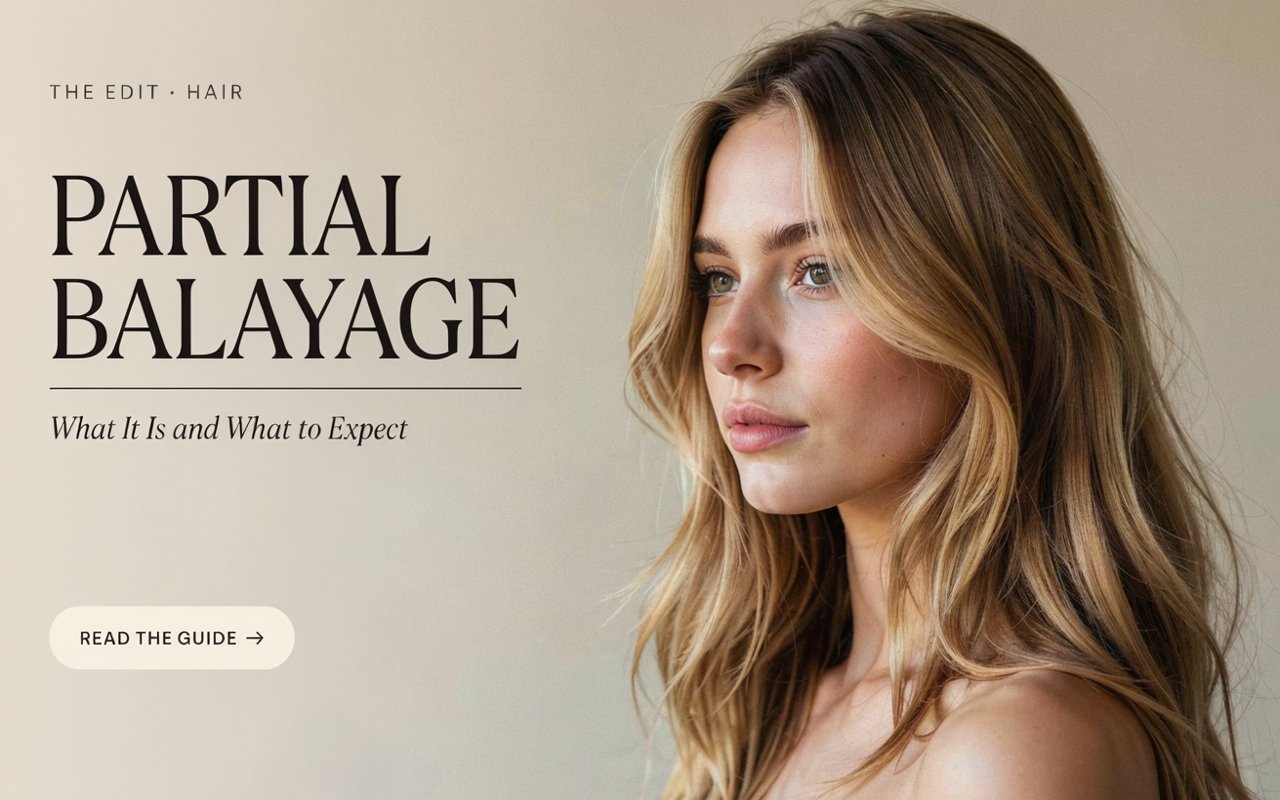
Walking into a salon consultation without knowing the difference between partial and full balayage can make an already big decision feel more overwhelming than it needs to be. Partial balayage has become a popular middle ground for anyone who wants the soft, natural dimension balayage is known for, without committing to a full-head service in both time and cost. If you’re still exploring which shade or technique fits your style, our guide to hair color trends for 2026 covers more of what’s popular this year alongside balayage.
This guide covers what partial balayage actually involves, how it compares to a full balayage, what it typically costs, and how to know which option makes more sense for your hair.
Quick answer: Partial balayage is a hand-painted highlighting technique applied only to select areas of the hair, typically the crown, top layers, and face-framing pieces, rather than the entire head. It costs less than a full balayage, takes less time in the chair, and creates a subtler, more natural-looking result.
What Partial Balayage Actually Is
Balayage as a technique involves hand-painting lightener directly onto sections of hair rather than using foils in a uniform pattern, which creates a softer, more natural-looking grow-out. Partial balayage applies this same technique but limits it to specific areas, most commonly the top layers, the crown, and pieces that frame the face.
Because only a portion of the hair is lightened, the underneath layers and the back of the head generally keep their natural base color, which means the effect is most visible when hair is worn down rather than pulled back or styled in an updo.
Partial Balayage vs Full Balayage
Understanding the difference between these two options is usually the first thing a colorist will walk through during a consultation.
- Coverage: Partial balayage focuses on the top and face-framing sections, while full balayage covers the entire head, including the underneath layers
- Time in the chair: Partial balayage generally takes less time to apply since fewer sections are being painted
- Cost: Partial balayage is typically less expensive than full balayage, since it uses less product and takes less time
- Look when hair is pulled back: Full balayage shows through in ponytails, buns, or half-up styles, since the underneath layers are also lightened. Partial balayage is designed primarily to be seen when hair is worn down
- Hair damage: Since less hair is lightened overall, partial balayage tends to involve somewhat less cumulative damage compared to a full-head application
How Much Does Partial Balayage Cost
Pricing varies significantly depending on location, salon, hair length, and how experienced the colorist is. Comparing partial and full balayage pricing at a few local salons before booking is one of the most reliable ways to get an accurate sense of what to expect in your specific area, since national averages can vary widely from one city to the next.
Generally speaking, partial balayage tends to fall on the more affordable end of highlighting services, since it involves less time and product than a full-head treatment. Hair length, density, and how much lift is needed from your natural color all factor into the final price at any individual salon.
How Long Partial Balayage Lasts
One of the appeals of balayage in general, including the partial version, is that it grows out more softly than traditional foil highlights, since there is no harsh line where color meets your natural roots. Most people find they can go longer between touch-up appointments with partial balayage compared to full balayage or traditional highlights, since the technique is naturally more forgiving as it grows.
That said, exactly how long it lasts depends on how fast your hair grows, how much natural color contrast there is between the highlighted and non-highlighted sections, and how well the color is maintained with proper hair care in between salon visits.
Who Partial Balayage Works Best For
- First-time balayage clients: Starting with a partial application is a lower-commitment way to see how the technique looks on your hair before deciding whether to go fuller
- Shorter hair: Since there is less overall hair to work with, a partial application often provides enough visual impact without needing to treat the entire head
- Anyone wanting a subtle refresh: Partial balayage works well for maintaining an existing color between full balayage appointments, refreshing just the areas that fade fastest
- Low-maintenance preferences: Since the grow-out is less noticeable and touch-ups are needed less frequently, partial balayage suits anyone who wants less frequent salon visits
- Anyone easing into a color change: For hair that has never been chemically treated, a partial application limits the amount of new processing at once, which some colorists prefer for a first appointment
How to Prepare for a Partial Balayage Appointment
- Bring reference photos that show placement you like, particularly around the face-framing area, since this is the section that will be most visible in a partial application
- Be upfront about your hair’s history, including previous color treatments, since this affects how your colorist approaches lightening
- Ask your colorist to point out exactly which sections will be highlighted before they begin, so there are no surprises about placement
- Discuss aftercare products in advance, since color-safe shampoo and regular conditioning treatments help maintain the result longer
Common Mistakes to Avoid
- Assuming partial always means cheaper by a large margin: While partial balayage is generally less expensive than full, the price difference can be smaller than expected depending on hair length and salon pricing structure
- Skipping the consultation: Partial balayage placement is customized, and going in without discussing your goals can lead to a result that doesn’t match what you pictured
- Not asking about touch-up timing: Since partial balayage grows out differently than full-head color, it helps to know upfront roughly how many weeks you can expect between appointments
- Choosing partial balayage expecting it to show in updos: Because the underneath layers stay their natural color, partial balayage is far less visible when hair is pulled back
Frequently Asked Questions
Is partial balayage noticeable when my hair is up?
Not as much as full balayage, since partial balayage focuses mainly on the top layers and face-framing pieces, which are less visible in a ponytail or bun compared to a full-head application.
How much cheaper is partial balayage compared to full balayage?
Partial balayage is generally less expensive since it uses less product and takes less time, though the exact price difference varies by salon, location, and hair length.
Can I switch from partial to full balayage later?
Yes, many people start with partial balayage and add more coverage in a later appointment once they’ve seen how the color looks and grows out on their hair.
How often do I need touch-ups with partial balayage?
Partial balayage generally requires less frequent touch-ups than full balayage or traditional highlights, though the exact timing depends on your hair’s natural color contrast and growth rate.
Does partial balayage damage hair less than full balayage?
Since less hair is lightened overall, partial balayage typically involves somewhat less cumulative damage, though proper aftercare matters regardless of which technique you choose.
Will partial balayage look uneven when it grows out?
No, one of balayage’s main advantages is a soft, gradual grow-out with no harsh line, which applies to partial balayage just as much as full. This is part of why it requires less frequent maintenance than traditional foil highlights.
Final Thoughts
Partial balayage offers a lower-commitment way to add dimension and brightness to your hair without the time, cost, or damage that comes with lightening every section. Whether you’re trying balayage for the first time or maintaining an existing color between full appointments, understanding exactly what areas will be treated helps set the right expectations before you sit down in the chair. Bringing clear reference photos and asking questions during the consultation remains the best way to walk out with a result that matches what you had in mind.