
The Best Fluffy Pancakes recipe you will fall in love with. Full of tips and tricks to help you make the best pancakes.


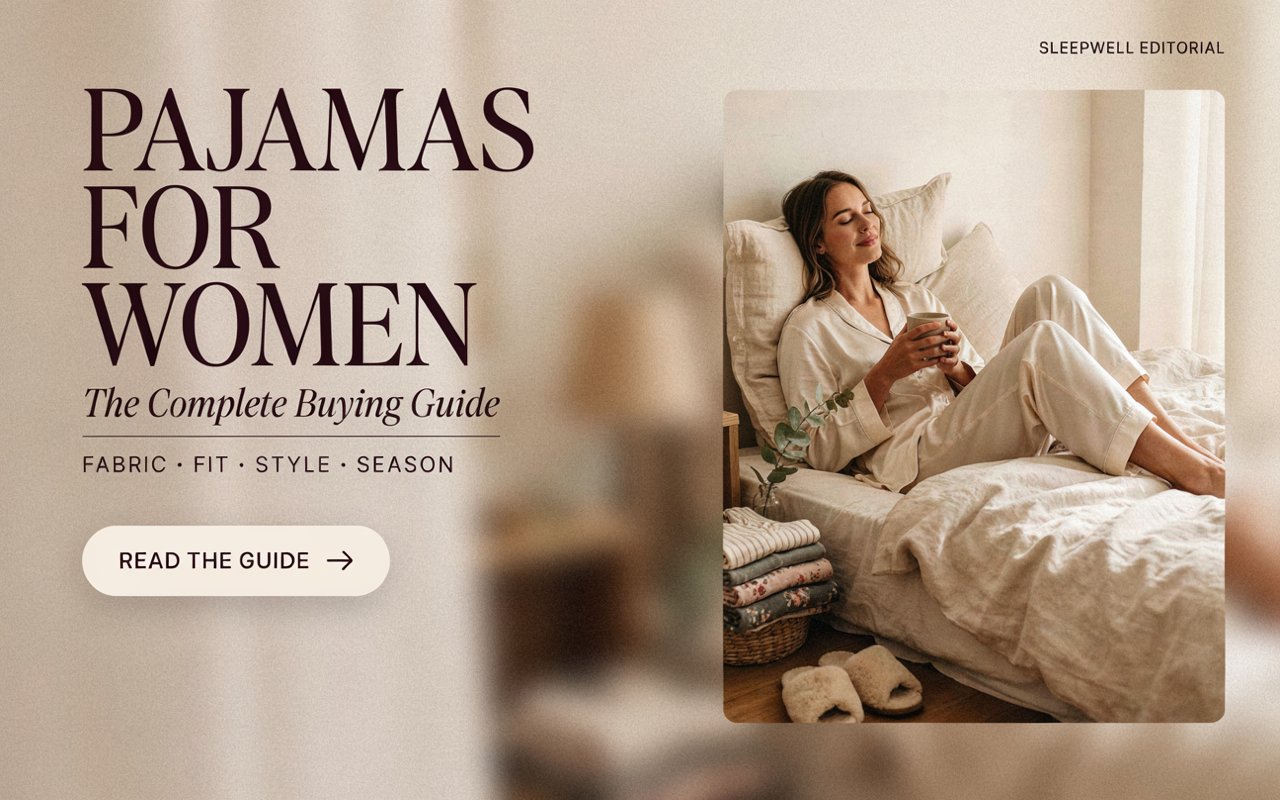
A good pair of pajamas does more than just get you through the night. The right fabric and fit can genuinely affect how well you sleep, while a well-chosen set doubles easily as loungewear for lazy mornings or casual days at home. With so many fabrics, fits, and styles available, choosing pajamas often gets less thought than it deserves, even though it’s one of the most frequently worn pieces in a wardrobe. Pairing loungewear-style pajamas with the same structure tips from our guide to matching sets can also help a set transition from bedroom to casual daytime wear.
This guide covers the different types of pajamas worth owning, which fabrics actually matter for sleep quality, and how to choose the right fit for your comfort and style preferences.
Quick answer: The best pajamas for women are made from breathable, natural fabrics like cotton, modal, or silk, with a relaxed fit that doesn’t restrict movement during sleep. Choosing the right weight and fabric for your climate and how warm you tend to sleep matters more than style alone.
Why Pajama Fabric Matters More Than You Might Think
It’s easy to think of pajamas as a purely aesthetic choice, but fabric plays a real role in comfort and sleep quality. The body’s core temperature naturally drops as you fall asleep, and breathable, moisture-managing fabrics work with that process rather than against it, while heavier or non-breathable materials can trap heat and disrupt rest.
This is part of why the same pajama style can feel completely different depending on the fabric, and why it’s worth paying attention to material as much as cut or print when shopping. Two identical-looking sets, one in polyester and one in cotton, can lead to very different nights of sleep despite looking nearly the same on the hanger.
Types of Pajamas for Women
Classic Button-Down Sets
A traditional button-down top paired with matching pants remains one of the most versatile pajama styles, working well for both sleep and casual lounging around the house.
Camisole and Short Sets
Lighter, more minimal sets with a camisole top and shorts suit warmer climates or anyone who prefers less fabric while sleeping, though they offer less coverage for lounging outside the bedroom.
Nightgowns
A single-piece nightgown offers a simple, no-fuss option that avoids any waistband or fitted elements altogether, making it a comfortable choice for anyone who prefers loose, unstructured sleepwear.
Joggers and Tee Sets
A more casual take on sleepwear, jogger-style pants paired with a relaxed tee has become popular for its double duty as both pajamas and everyday loungewear.
Robes and Layering Pieces
While not pajamas themselves, a lightweight robe layered over a pajama set adds warmth and coverage for moving around the house without fully dressing.
Cropped or Capri Pajama Sets
A shorter pant length, hitting somewhere between the knee and ankle, offers a middle ground between full-length pants and shorts, working well for transitional weather or anyone who prefers a bit more airflow without going fully bare-legged.
Best Fabrics for Pajamas
- Cotton: Breathable and easy to care for, cotton remains one of the most popular choices, particularly long-staple varieties like Pima cotton, which tend to feel softer than standard cotton
- Modal and Tencel (lyocell): These fabrics are known for excellent moisture management and a smooth, cooling feel, making them a strong choice for anyone who sleeps warm
- Silk: Naturally temperature-regulating and hypoallergenic, silk offers a luxurious feel, though it typically requires more careful washing than cotton or modal
- Flannel: A heavier, brushed cotton fabric well suited to cold weather, flannel provides warmth and insulation for winter nights
- Bamboo viscose: Soft, breathable, and naturally moisture-wicking, bamboo-derived fabrics have become a popular alternative to standard cotton
Sleep experts generally recommend choosing breathable, natural fibers over synthetic blends, particularly for anyone who tends to sleep hot or experiences night sweats.
How to Choose Pajamas for Your Sleep Style
- Hot sleepers: Lightweight cotton, modal, or bamboo fabrics in a looser fit help with airflow and moisture management through the night
- Cold sleepers: Flannel or a heavier cotton knit provides more warmth and insulation for colder bedrooms or winter months
- Sensitive skin: Soft, breathable natural fibers like cotton or silk tend to cause less irritation than synthetic blends
- Active sleepers: A relaxed, non-restrictive fit, particularly around the waistband and shoulders, allows for more movement without pajamas bunching or riding up
How to Style Pajamas as Loungewear
Many pajama sets today are designed to work just as well outside the bedroom as in it.
- Add real shoes and a light jacket to a jogger-and-tee set for a casual coffee run or errand
- Layer a cardigan or robe over a matching set for a put-together look around the house
- Choose a solid color or simple print if you plan to wear a set beyond just sleeping, since busier prints can read as more clearly “just pajamas”
Common Mistakes to Avoid
- Choosing fabric based on look alone: A beautiful pajama set in the wrong fabric for your climate or sleep style can end up uncomfortable, regardless of how it photographs
- Sizing too tight: Pajamas that fit snugly can restrict movement during sleep, so sizing up slightly for a more relaxed fit is often more comfortable than a fitted cut
- Ignoring washing instructions: Silk and some delicate fabrics require gentler washing than cotton, and skipping proper care can shorten the lifespan of a set
- Overlooking seasonal needs: Owning only one weight of pajama can mean overheating in summer or feeling cold in winter, so having at least two fabric weights on rotation helps year-round comfort
- Buying based on print alone: A cute pattern doesn’t guarantee comfort, so checking the fabric composition tag matters just as much as how a set looks on the hanger
Frequently Asked Questions
What fabric is best for pajamas if I sleep hot?
Breathable, moisture-wicking fabrics like modal, Tencel, bamboo, or lightweight cotton tend to work best for hot sleepers, since they help regulate temperature and manage moisture through the night.
Are silk pajamas worth the extra cost?
Silk offers natural temperature regulation and a smooth, hypoallergenic feel that many people find worth the investment, though it typically requires more careful washing than cotton alternatives.
Can pajamas double as everyday loungewear?
Yes, particularly jogger-and-tee sets or solid-colored matching sets, which can be styled with a jacket or real shoes to move easily from bedroom to casual daytime wear.
How often should I replace my pajamas?
Most pajamas last one to two years with regular wear and washing, though fabric quality and how often they’re worn both affect how quickly they show wear.
What’s the difference between modal and cotton pajamas?
Modal tends to feel softer and manage moisture more effectively than standard cotton, while cotton is generally more breathable, easier to care for, and more affordable.
Do I need different pajamas for different seasons?
Having at least two fabric weights, such as lightweight cotton for summer and flannel or a heavier knit for winter, helps keep sleep comfortable year-round without overheating or feeling cold.
Final Thoughts
Choosing the right pajamas comes down to matching the fabric and fit to your climate, sleep habits, and how much the set will double as loungewear. Whether you prefer breathable cotton, cooling modal, or cozy flannel, prioritizing comfort and proper fabric for your needs will always matter more than following a specific style trend. A couple of well-chosen sets, rather than a drawer full of options bought on appearance alone, tend to get worn far more often and hold up much better over time.