The Best Fluffy Pancakes recipe you will fall in love with. Full of tips and tricks to help you make the best pancakes.


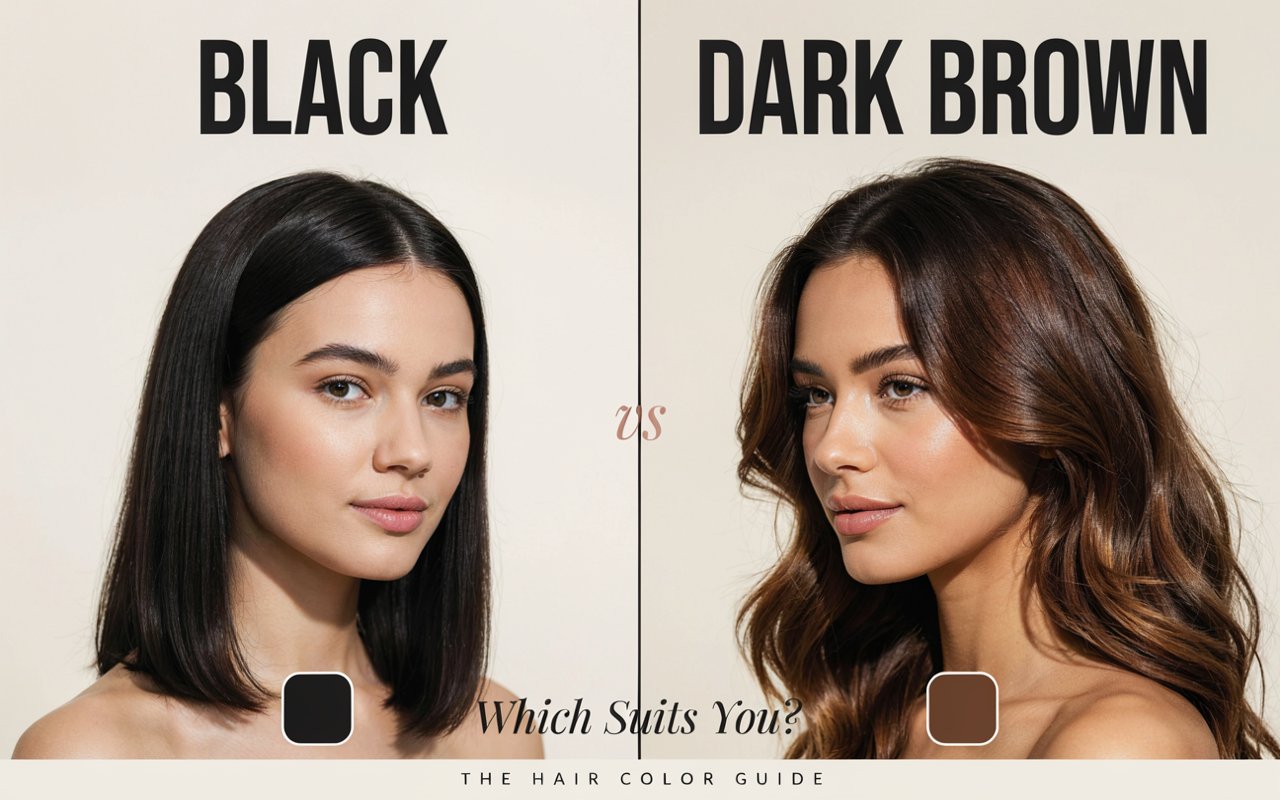
Deciding between black and dark brown hair color often comes down to details that are easy to overlook in a quick salon consultation. The two shades can look nearly identical in certain lighting, yet the difference between them affects everything from how flattering the color is against your skin tone to how much upkeep the color actually requires. If you’re exploring color options more broadly, our guide to hair color trends for 2026 covers additional shades worth considering alongside these two classics.
This guide compares black and dark brown hair color directly, covering which tends to suit different skin tones, how maintenance differs between the two, and how to decide which is the better fit for you. Rather than treating this as a purely aesthetic choice, thinking through undertone and upkeep upfront tends to save both time and money at the salon down the road.
Quick answer: Dark brown hair tends to be more universally flattering and lower maintenance than true black, since it has warmer undertones that soften facial features and grows out with less visible contrast at the roots. Black hair creates a more dramatic, high-contrast look but tends to show roots and any fading more noticeably.
The Core Difference Between Black and Dark Brown Hair
While the two shades can appear similar from a distance, black hair color typically contains cooler, blue-based undertones, while dark brown carries warmer red or golden undertones beneath the surface. This underlying difference is part of why the two colors can read so differently depending on lighting and the wearer’s skin tone, even when they look nearly identical in a bottle or swatch.
True black is also a more absolute, saturated color with very little tonal variation, while dark brown, even at its deepest levels, retains subtle warmth and dimension that can catch the light differently throughout the hair. This is why dark brown often appears to have more movement and depth in natural light, while black tends to read as a single, flat block of color unless intentionally styled with highlights or dimension.
Which Skin Tones Suit Black Hair
Black hair tends to work best against high-contrast features and cooler skin undertones. Checking your skin’s undertone by looking at the veins on your wrist, blue or purple typically indicating cool, is one of the simplest ways to gauge whether black will read as flattering or overly harsh against your complexion.
- Fair, cool-toned skin: Black can create striking contrast, though it may also emphasize any redness or unevenness in the skin more than a softer shade would
- Deep skin tones: Black hair often looks especially rich and vibrant, since deeper complexions tend to balance the intensity of true black more naturally
- Warm undertones: Black can sometimes wash out or clash with warm, golden, or peachy undertones, making dark brown a generally safer choice
Which Skin Tones Suit Dark Brown Hair
Dark brown tends to be more forgiving across a wider range of skin tones, largely because of its inherent warmth.
- Warm undertones: Dark brown’s natural warmth complements golden, peachy, or olive undertones particularly well
- Cool undertones: A dark brown with slightly ashier, cooler tones can still work well, offering softness without the starkness of true black
- Medium skin tones: Dark brown often reads as the most naturally flattering option, since it doesn’t create the same high contrast that black can against medium complexions
Maintenance Differences Between Black and Dark Brown
- Root regrowth visibility: Black hair tends to show root regrowth more starkly against most natural hair colors, while dark brown blends more gradually as it grows out
- Fading patterns: Black hair often fades to an unwanted reddish or brassy tone over time, while dark brown tends to fade more subtly and evenly
- Touch-up frequency: Because of how visibly black hair shows regrowth, many people find they need touch-ups slightly more often than with dark brown
- Color correction: Going from black to a lighter color later requires significantly more processing than adjusting from dark brown, which is worth considering if you might want to change your color again in the future
How to Decide Between the Two
- If you want low maintenance: Dark brown generally requires less frequent touch-ups and fades more gracefully
- If you want maximum drama and contrast: Black offers a bolder, more striking look, particularly for cooler or deeper skin tones
- If you’re unsure about commitment: Dark brown is easier to adjust or lighten later, while black requires more work to correct if you change your mind
- If your skin has warm undertones: Dark brown is generally the safer, more flattering choice
- If you have very fair, cool-toned skin: Either can work, though black creates more dramatic contrast while dark brown offers a softer alternative
Common Mistakes to Avoid
- Choosing black without considering undertone: Going black purely because it looks dramatic in photos, without checking how it interacts with your skin’s undertone, can lead to a harsher result than expected
- Underestimating root maintenance: Black hair’s stark regrowth line catches many people off guard if they aren’t prepared for more frequent touch-ups
- Assuming dark brown is boring: Dark brown has significant range, from cool and ashy to warm and rich, so it’s worth exploring different dark brown formulas rather than assuming it’s a single flat shade
- Skipping a color consultation: Since the difference between black and dark brown can be subtle in photos, discussing your specific skin tone and hair goals with a colorist helps avoid a result that doesn’t match expectations
- Judging the shade from a bottle alone: Box dye swatches can look noticeably different once processed on your specific hair, so bringing reference photos to a consultation tends to produce more predictable results than relying on packaging alone
Frequently Asked Questions
Is dark brown or black hair more flattering?
It depends largely on skin undertone. Dark brown tends to be more universally flattering due to its inherent warmth, while black works particularly well on cooler or deeper skin tones.
Does black hair fade faster than dark brown?
Black hair often fades to an unwanted reddish or brassy tone, while dark brown tends to fade more subtly and evenly, though both eventually require touch-ups.
Can I go from black hair back to a lighter color easily?
It’s more difficult than adjusting from dark brown, since black hair color requires more processing to lift and correct compared to a lighter starting shade.
Which requires less salon maintenance, black or dark brown?
Dark brown generally requires less frequent touch-ups, since it blends more gradually with regrowth compared to the stark contrast black creates at the roots.
How do I know if black or dark brown will suit my skin tone?
Checking your skin’s undertone, cool undertones often suit black well, while warm undertones tend to pair better with dark brown, is one of the most reliable ways to predict which will look most flattering.
Can I mix black and dark brown for a softer effect?
Yes, many colorists blend the two as a “soft black” or “espresso brown” formula, offering the depth of black with slightly more warmth and forgiveness than true black alone.
Final Thoughts
Choosing between black and dark brown hair color comes down to balancing your skin’s undertone, how much maintenance you’re willing to commit to, and the level of drama you want from the color. Dark brown tends to offer a more forgiving, lower-maintenance option for most skin tones, while black delivers a bolder, higher-contrast look best suited to cooler or deeper complexions. Bringing a few reference photos to your next salon visit, along with an honest conversation about your maintenance routine, remains the most reliable way to land on the shade that actually works for you.