
The Best Fluffy Pancakes recipe you will fall in love with. Full of tips and tricks to help you make the best pancakes.


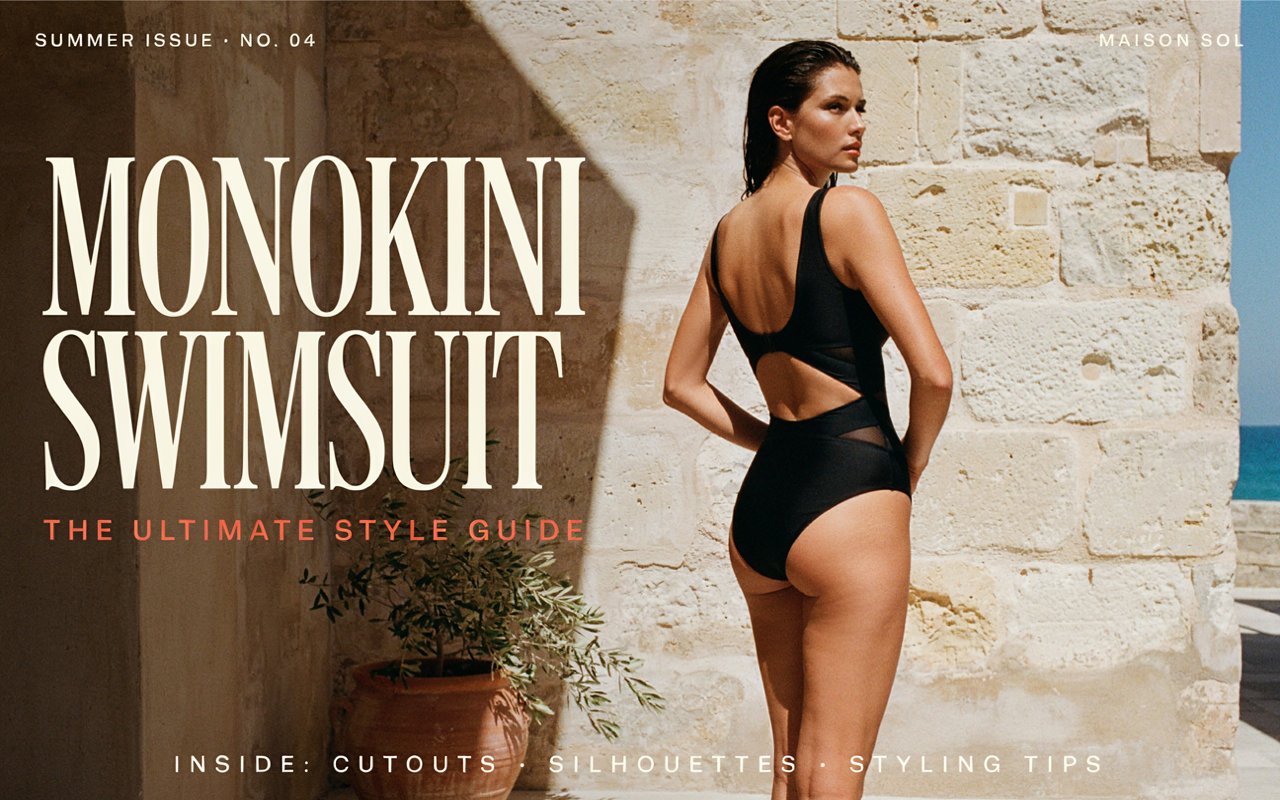
A monokini sits in an interesting middle ground between a bikini and a one-piece, offering the coverage of a connected suit with the visual interest of strategic cutouts. It has become a favorite for anyone who wants a bit more skin exposure than a traditional one-piece without going all the way to a two-piece bikini.
This guide covers what actually defines a monokini, the different cutout styles available, and how to choose the right one for your body shape and how you plan to wear it.
Quick answer: A monokini swimsuit is a one-piece suit with strategic cutouts, typically at the sides or midsection, that create the visual effect of a bikini while remaining a single connected garment. It offers more coverage and support than a traditional bikini while still showing more skin than a standard one-piece.
What Exactly Is a Monokini
The term monokini often gets used interchangeably with cutout one-piece swimsuits, though it technically refers to any connected suit that reveals skin through open panels rather than full coverage fabric. This can range from a subtle cutout at the waist to a more dramatic design with open sides or a plunging front.
Unlike a bikini, which is two separate pieces, a monokini remains one connected garment, which tends to offer more support and stability, particularly for swimming or active water use, while still delivering a bikini-like aesthetic.
Popular Monokini Cutout Styles
Side Cutout Monokinis
Side cutouts are one of the most common monokini styles, removing fabric along the waist or hip area while keeping the front and back fully covered. This style tends to be one of the more flattering options across body types, since it creates the appearance of a smaller waist without exposing the stomach entirely.
Front Cutout or Keyhole Monokinis
A keyhole or front cutout design reveals a small section at the midsection or chest, offering a bolder look while still maintaining full coverage everywhere else. It’s a good option if you want a bit of a statement without fully committing to a two-piece.
High-Neck Monokinis with Open Back
Pairing a high neckline with an open or cutout back has become a popular combination, offering a modest front view with a more revealing back design. This style often appeals to those who prefer more coverage in front but still want a fashion-forward silhouette.
Strappy Monokinis
Rather than solid cutout panels, some monokinis use crisscrossing straps across the torso or sides, creating a similar visual effect to cutouts while adding a bit more coverage and structural support.
How to Choose a Monokini for Your Body Type
- Pear shape: Side cutout styles help balance proportions by drawing attention to the waist rather than the hips.
- Apple shape: A front cutout with a supportive built-in structure around the bust and midsection tends to be more flattering than styles with cutouts directly across the stomach.
- Hourglass shape: Strappy or side cutout monokinis highlight the natural waistline without needing significant additional shaping.
- Athletic build: Bold front cutouts or dramatic side panels add curves and visual interest to a straighter frame.
If you are new to the style, starting with a smaller, more subtle cutout is often a more comfortable entry point than a dramatic front keyhole design.
How a Monokini Compares to Other Swimsuit Styles
Choosing between a monokini, a traditional one-piece, and a bikini often comes down to how much coverage and support you want, along with your intended activity.
- One-piece suits offer the most coverage and support, making them a strong choice for active swimming or water sports
- Bikinis offer the most flexibility for mix-and-match sizing but provide the least structural support
- Monokinis land in between, offering more support than a bikini while still allowing more skin exposure than a standard one-piece
For a deeper breakdown of one-piece, bikini, and tankini options, our guide to the best swimsuits for women compares each style in more detail.
Styling a Monokini for Different Occasions
Poolside or Beach Days
A monokini works well on its own for lounging, and pairing it with a sarong or lightweight cover-up adds versatility for walking between the beach and nearby restaurants or shops.
Resort and Vacation Wear
Bold cutout monokinis in vibrant colors or prints have become a popular choice for vacation photos, often paired with statement jewelry or a wide-brimmed hat for a resort-ready look.
Active Water Use
If you plan to swim laps or participate in water sports, a monokini with a more structured, supportive design and smaller cutouts tends to hold up better than a style with dramatic front or side openings.
If cutout styles are not quite your preference, our guide to bikini trends for 2026 covers other popular swimwear options this season, including high-waisted and mix-and-match separates.
Caring for Your Monokini Swimsuit
- Rinse the suit in cool water immediately after swimming, especially after exposure to chlorine or salt water
- Hand wash when possible, since the cutout seams and edges can be more delicate than a standard one-piece
- Avoid wringing out the fabric, and lay it flat to dry away from direct sunlight to prevent fading
- Check cutout edges periodically for fraying, since these areas tend to experience more stress than solid fabric panels
Common Mistakes to Avoid When Buying a Monokini
- Choosing a dramatic cutout without trying it on first: Cutout placement affects fit differently than a standard suit, so trying the suit on and moving around or checking detailed size guides helps avoid surprises
- Ignoring the lining around cutout edges: Poor quality lining near cutouts can lead to discomfort or fabric curling over time, so checking fabric quality matters more with this style than with a solid suit
- Overlooking activity level: A monokini with large cutouts may shift during active swimming, so matching the design to how you actually plan to use the suit is worth considering before purchase
Frequently Asked Questions
What is the difference between a monokini and a bikini?
A monokini is a single connected garment with cutout sections, while a bikini consists of two separate pieces. Monokinis generally offer more support and stability than bikinis.
Are monokinis flattering for all body types?
Yes, with the right cutout placement. Side cutouts tend to be the most universally flattering, while front cutouts and strappy designs work well depending on your specific body shape and comfort level.
Can I swim actively in a monokini?
Yes, particularly styles with smaller, structured cutouts. Suits with large or dramatic openings may shift more during active swimming compared to a standard one-piece.
How do I care for the cutout sections of a monokini?
Hand washing and avoiding wringing the fabric helps protect cutout edges from fraying. Checking the lining periodically for wear is also a good habit, since these areas experience more stress than solid fabric.
Is a monokini more supportive than a bikini?
Generally, yes. Since a monokini remains one connected garment, it tends to offer more structural support and stability than a two-piece bikini, even with cutout sections included.
Final Thoughts
A monokini swimsuit offers a practical middle ground for anyone who wants more visual interest than a traditional one-piece without sacrificing the support and coverage that comes with a connected garment. Choosing the right cutout style for your body shape and how you plan to use the suit will make the biggest difference in how comfortable and confident you feel wearing it.